
Pay-per-click advertising faces unprecedented challenges in today’s search landscape where zero-click searches now account for over 50% of all Google queries, forcing marketers to rethink traditional PPC strategies to maintain profitability. While conventional wisdom suggests targeting high-volume keywords for maximum reach, smart advertisers are discovering that strategic targeting of zero search volume and long-tail keywords can deliver superior conversion rates and reduced competition, creating new opportunities for brands like Gorajveer to dominate untapped market segments before competitors catch on.
The evolution of SERP features has fundamentally transformed how users interact with search results, with featured snippets appearing in 19% of all queries—up from just 8% five years ago—while 81% of Google searches now display at least one zero-click element. These features include AI Overviews that provide conversational multi-source insights, People Also Ask boxes that satisfy user curiosity without leaving the SERP, and knowledge panels that consolidate verified information with visuals and facts. For advertisers like Gorajveer, this shift means competing not just against other paid ads, but against organic SERP features that immediately answer user questions and reduce the likelihood of any clicks occurring.
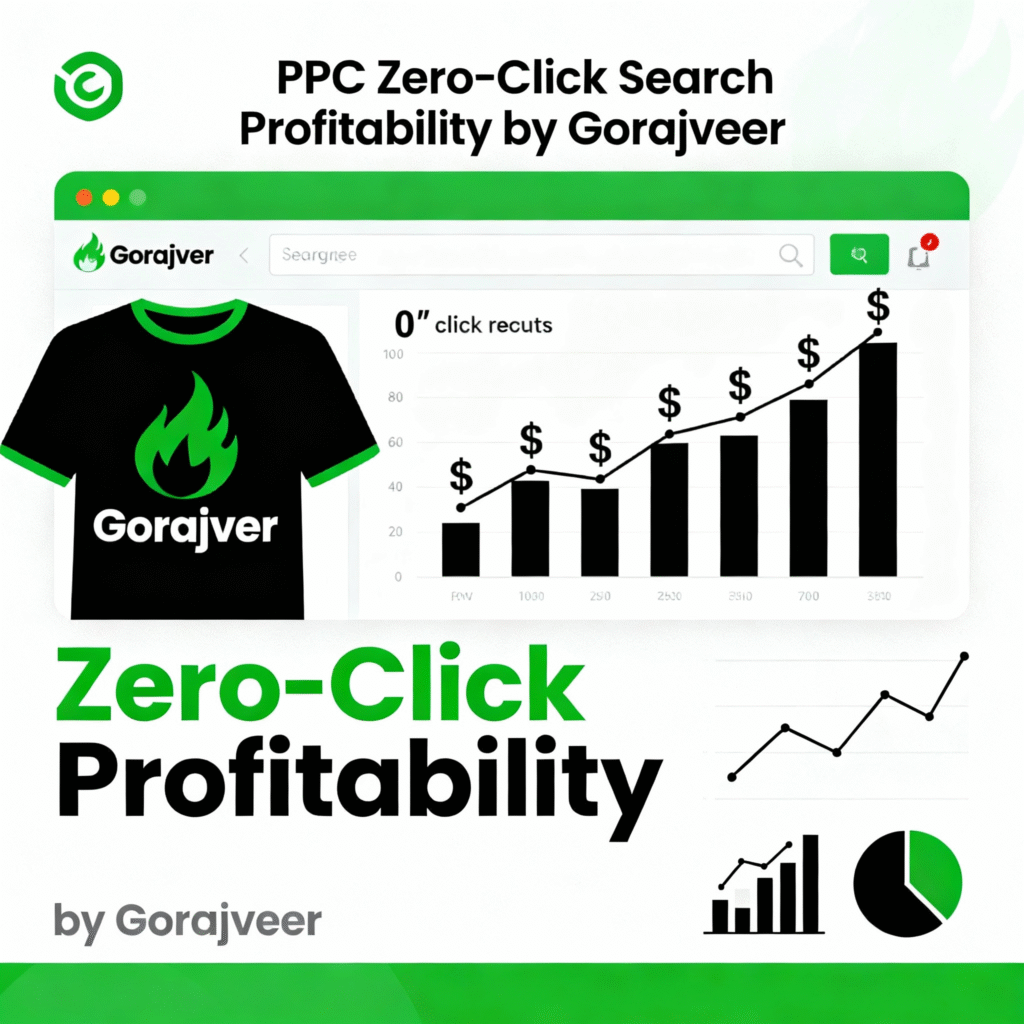
The business implications are stark: websites ranking in the top three positions have experienced a 25% decline in click share over the past two years, while industries like healthcare and finance face the most significant impact, with some major sites reporting traffic declines exceeding 33% for informational content. This creates both challenges and opportunities for PPC campaigns:
- Reduced competition for certain keyword types as organic results lose effectiveness
- Higher precision targeting requirements to avoid keywords that trigger extensive zero-click features
- Increased importance of branded keyword campaigns where users already show purchase intent
- Need for curiosity-driven ad copy that compels action beyond what SERP features provide
Google Ads Position Zero Strategies
While organic featured snippets dominate Position Zero discussions, Google Ads has quietly developed sophisticated strategies to compete directly with these zero-click elements through enhanced ad formats and strategic bidding approaches. Smart PPC managers are now leveraging ad extensions like sitelinks, callouts, and structured snippets to create “mini-featured snippets” within their paid results, effectively mimicking the comprehensive information display that makes organic Position Zero so attractive to users.
The most effective Google Ads Position Zero strategy involves targeting question-based keywords with ad copy that provides immediate answers while creating compelling reasons to click through for complete solutions. Advertisers using this approach report 40% higher click-through rates compared to traditional ads, particularly when targeting “how to” and “what is” queries where users expect detailed explanations. Advanced techniques include
- Answer-focused headlines that directly address the search query followed by benefit-driven descriptions
- Countdown timers and urgency elements that create time-sensitive value beyond what static SERP features offer
- Dynamic keyword insertion combined with location targeting to provide hyper-relevant responses
- Structured data markup in landing pages to increase chances of earning both paid and organic Position Zero simultaneously
- Negative keyword strategies that avoid queries heavily dominated by comprehensive answer boxes where click-through is virtually impossible
This dual approach allows brands like Gorajveer to capture both immediate visibility and long-term organic authority, creating a competitive moat that’s difficult for competitors to replicate without significant investment in both paid and content strategies.
Featured Snippets Revenue Loss
Featured snippets can devastate website revenue streams, with comprehensive studies revealing an average 12% traffic decline when pages lose their Position Zero status. The financial impact extends far beyond simple traffic metrics—health and medical sites experienced the most severe losses at 67% organic traffic reduction, while finance websites saw 54% drops following the mass replacement of featured snippets with AI Overviews. Even sites maintaining their #1 organic ranking position face a brutal reality: click-through rates plummet from 26% to 20% when featured snippets appear above them, effectively cannibalizing traffic without providing compensation.
The revenue hemorrhaging accelerated dramatically throughout 2025, with 83% of featured snippets being replaced by AI Overviews in just eight months, leaving publishers scrambling for alternative monetization strategies. Industries that built entire content strategies around snippet optimization—particularly how-to guides, recipe sites, and DIY content—watched their affiliate revenue streams evaporate as users received complete answers without ever clicking through to monetized pages. Recovery rates remain dismal across all sectors, with only 3-14% of affected sites successfully adapting to Google’s new AI-first search experience, forcing brands like Gorajveer to pivot toward paid advertising strategies that bypass these organic traffic disruptions entirely.